I Handed My Vacation to Total Strangers and It Was the Best Trip I've Taken in Years
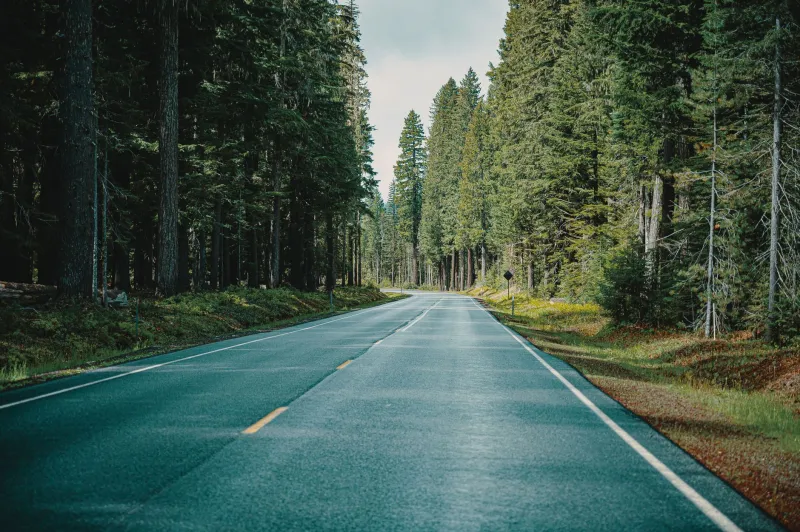
The rules were simple and, I'll be honest, slightly terrifying: for one week in the Pacific Northwest, I could not look up a single restaurant, attraction, or hotel. No review apps. No 'best of' lists. Every stop on my itinerary had to come out of the mouth of an actual human being — ideally someone who lived where I was standing.
I've planned trips the normal way for a decade. I know the drill: forty browser tabs, a spreadsheet, a nagging suspicion that the 4.7-star ramen place is exactly the same as the 4.6-star ramen place two blocks over. I wanted to see what happens when you delete the middleman and just... ask.
Day One: The Gas Station Sommelier
I landed in Portland with a full tank and zero plans. First rule of the experiment: ask the first person who seems willing. That turned out to be a gas station attendant named Marisol, who recommended a food cart pod about fifteen minutes out that 'tourists skip because it looks sketchy.'
It did look sketchy. It was also serving the best grilled corn of my life, at a picnic table under string lights, next to a family of four arguing happily about whether the tamale cart or the dumpling cart deserved the crown. (Dumplings. It wasn't close.)
The Detour That Wasn't on Any List
By day three, I'd crossed the Columbia River into Washington on the advice of a barista, eaten breakfast at a diner recommended by the woman at said diner's table next to mine, and ended up at a coastal overlook because the diner's cook said, 'If you're going west, stop at the pullout with the yellow fire hydrant. You'll know it when you see it.'
I saw it. I won't tell you where it is, partly because that's the spirit of the thing, and partly because the pullout holds about three cars and I'd feel bad.
Here's what struck me: not one of these recommendations appeared on any list I'd have found online. They weren't optimized. They weren't ranked. They were just things people loved and wanted to hand off, like a book passed from one reader to the next.
The Algorithm's Blind Spot
Somewhere around day five, I realized what review culture actually does: it optimizes for consensus, not for you. The top-rated spot is the one that offends the fewest people. It's beige by design. A local's recommendation, on the other hand, comes with a person attached — their taste, their history, their weird uncle's favorite taqueria. You're not buying a 4.5-star experience; you're borrowing somebody's affection for a place.
Was every tip a winner? No. A 'legendary' bakery outside Olympia turned out to be a gas station with day-old donuts. I ate the donuts. I regret nothing. Even the misses had texture, a story, a face behind them.
How to Try It Yourself
If this sounds appealing, a few things I learned the hard way:
- Ask people who have no stake in tourism. Gas station attendants, baristas, hardware store clerks, the person walking their dog. Skip the visitor center rack of brochures.
- Ask the follow-up question. 'Where do you eat?' gets you a restaurant. 'Where do you eat on a Tuesday when you're tired?' gets you the truth.
- Book only one night ahead. Flexibility is the whole engine of this method. If a stranger mentions a town, you need to be able to just... go.
- Say yes to the detour, even when tired. The yellow fire hydrant almost didn't happen because I wanted to get to the hotel. It was the best hour of the trip.
- Keep one anchor. I pre-booked my first and last night so I never felt fully untethered. Permission to be spontaneous works better with a safety net.
What I Brought Home
My camera roll is full of things no itinerary would have produced: a legion hall pancake breakfast, a secondhand bookshop where the owner talked me out of buying a book I didn't need, a stretch of coastline with no sign, no parking lot, and no crowd.
But the real souvenir is smaller than that. I talked to more strangers in seven days than I had in the previous seven months. It turns out asking for directions is less about the directions and more about the asking. The trip wasn't planned by strangers. It was planned by people who, for thirty seconds each, weren't strangers at all.