No Maps, No Motels, No Chains: 3,000 Miles of American In-Between
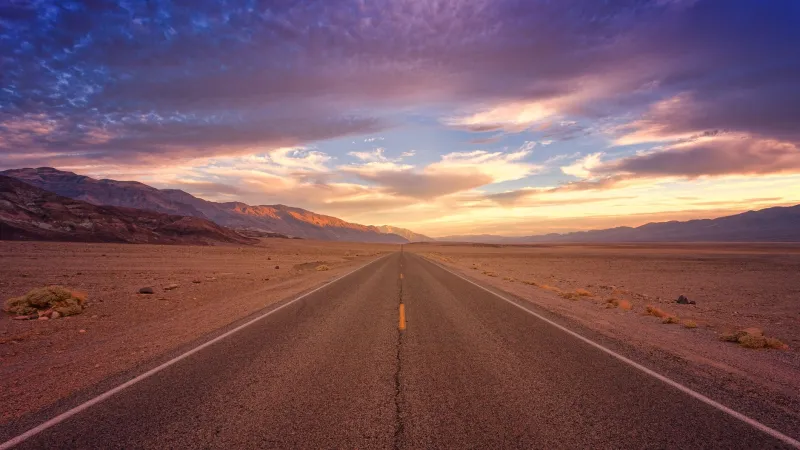
The rules were simple, mostly because I made them up the night before I left. Start in Wilmington, North Carolina. End somewhere in Colorado. Book nothing. Plan nothing. Eat nowhere with a drive-thru or a corporate jingle. Let the road decide.
My friends thought I'd lost my mind. My therapist, to her credit, called it "an interesting experiment in tolerating uncertainty." Both were partially right.
The First Night Teaches You Everything
Around 9 p.m. on day one, somewhere past Charlotte, the reality of no reservations hit me. Every motel sign along the interstate glowed with the same fluorescent promise: NO VACANCY. I pulled into a truck stop, bought a coffee I didn't need, and asked the woman at the counter where locals actually stayed.
She directed me eight miles off the exit to a motor court run by a retired couple named the Hendersons. Forty-five dollars, cash. A ceramic dish of peanut M&Ms on the nightstand. Mrs. Henderson gave me a two-minute history of the property, which dated to 1958 and had hosted, by her account, "a Kennedys' advance man, once." I believed her. Why wouldn't I?
That was the trip's first lesson: the in-between places only open up when your plans fall through. Every empty vacancy sign was a door. Some led to mediocre rooms. A few led to the best conversations of my life.
America Lives One Exit Past Where You Turned Off
We have a habit of experiencing the interstate as America — same gas stations, same billboards, same pale yellow arches every ninety miles. But the interstate is really just a hallway. The rooms are off the exits.
In eastern Tennessee, a detour to avoid construction dropped me into a town of maybe 900 people where the diner was hosting a high school fundraiser spaghetti night. I paid twelve dollars, got a plate of genuinely excellent lasagna, and spent two hours listening to a table of retired coal miners debate whether the new Dollar General was progress or the beginning of the end. They never resolved it. I suspect the debate has been running since 1987.
In western Kansas, I followed a brown sign to a one-room museum dedicated to barbed wire. The curator, a volunter named Earl, gave me a tour that lasted an hour and somehow included a detour into his opinions on college football. I bought a commemorative strand of wire in the gift shop. It's hanging in my garage right now, and I regret nothing.
The Strangers Are the Itinerary
By the time I crossed into Colorado, I'd stopped thinking of the trip as a route with interruptions. The interruptions were the trip.
There was the waitress in Missouri who'd driven ambulances for thirty years and had opinions about stress that no wellness influencer could match. There was the teenager at a Nebraska gas station who saw my out-of-state plates and asked, with total sincerity, what the ocean was like. There was the couple in a vintage Airstream at a Colorado campground who fed me elk chili and explained, over two hours, why they'd sold their house in Denver and never looked back.
None of these encounters would have survived a booked itinerary. You don't linger for elk chili when you have a 6 a.m. checkout and a points balance to optimize.
What the In-Between Is Actually Like in 2025
Here's my honest report: the in-between is more resilient than the internet thinks, and more fragile than it knows.
Resilient, because the diners, motor courts, roadside museums, and church-basement fundraisers are still there, still staffed by people who treat a stranger like a guest rather than a transaction. Fragile, because Earl's museum has no successor, the Hendersons' motor court has no website, and the towns arguing about the Dollar General are losing young people every year to the cities with the good airports.
The in-between doesn't have an algorithm. It doesn't trend. You have to physically show up, turn off the highway, and let your plans break a little.
Come Home Different
I ended the trip in a town called Salida, Colorado, mostly because I ran out of daylight and it looked nice. I ate green chile at a café where the special was written on a paper plate taped to the wall. It was, objectively, one of the best meals of my life — though I've learned that's less about the food and more about how you arrive.
Three thousand miles taught me that the unplanned spaces between our destinations aren't empty. They're full — of strangers, of spaghetti fundraisers, of barbed wire museums and motor court histories. We just keep driving past them at seventy miles an hour, headed somewhere we already reserved.
Book nothing. See what happens. The country is better company than its itinerary.