Nobody Hangs Out Anymore — Except Everybody Does
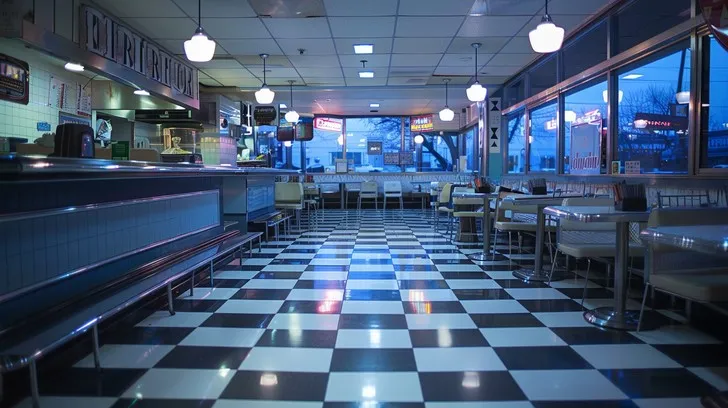
There's a photo that circulates every few months on Facebook of a dying mall food court, taken from the second-floor escalator. The caption is always some variation of "where did we all go?" And it's a fair question. The diner near my childhood home is a vape shop. The bowling alley where my parents' league met every Tuesday is luxury townhomes with a name like The Lanes at something, which feels like a taunt.
Ray Oldenburg, the sociologist who coined the term "third place," meant it simply: not home, not work, but the in-between spot where you're known. The barbershop. The church basement. The counter stool where the waitress knows your order before you sit down. By that definition, we've lost a lot. But here's my argument, and I'll defend it: we didn't lose the third place. We scattered it.
The Gym Is the New Church Basement
A friend of mine — a self-described loner, the kind of guy who declines every invite — goes to the same CrossFit box five mornings a week. He complains about the burpees. He also drove two hours to cheer on people he calls "the 6 a.m. crew" at a competition. He has never once called them friends. They are, functionally, his closest friends.
This is more common than we admit. The gym membership with the group classes. The running club that meets at the brewery. These aren't fitness decisions; they're architecture for human contact. Nobody wants to admit they're lonely, but everyone will sign up for a Tuesday night spin class. The transaction gives us cover.
Discord Is a Porch
Then there's the digital wing of all this. My nephew, sixteen, spends his evenings in a Discord server for a video game nobody over twenty-five has heard of. There are thirty kids in there. They know each other's schedules, whose parents are getting divorced, who's applying where. When one of them had a health scare last year, the server organized meals for the family. Through a screen. Over a game.
We like to sneer at "internet friends," but the sneering misses the point. The medium was never what made a third place. The bar regulars of 1955 weren't there for the whiskey. They were there because the whiskey came with faces. The faces are the point, then and now.
The Coffee Shop That Barely Counts
Not every replacement is so tidy. There's a coffee shop near me that functions as a de facto co-working space, which means it's full of people wearing headphones, alone together. Purists would say that's not a third place at all — no conversation, no community, just parallel solitude with oat milk.
But watch longer. The regulars nod at each other. Someone always leaves a laptop to watch a stranger's bag. The barista knows six people's orders and asks about their weekends. It's a weaker version of the third place, sure — a third place on dimmer switch. But weak ties are still ties. Sociologists have known for decades that casual acquaintances do an enormous, invisible share of the work of making us feel like we belong somewhere.
What We're Really Nostalgic For
I think the hand-wringing about lost gathering spaces is only partly about the spaces. It's about the fact that third places used to be free or nearly free, and you didn't have to be selected. The Elks Lodge didn't interview you. The mall didn't need you to have a hobby. You just showed up.
What's replaced them tends to have a cover charge — a membership, a subscription, a console, a class fee. That's the real loss, and it's worth being angry about. But the hunger underneath hasn't gone anywhere. People are still finding each other, in gyms and group chats and brewery patios and church coffee hours that survived after all.
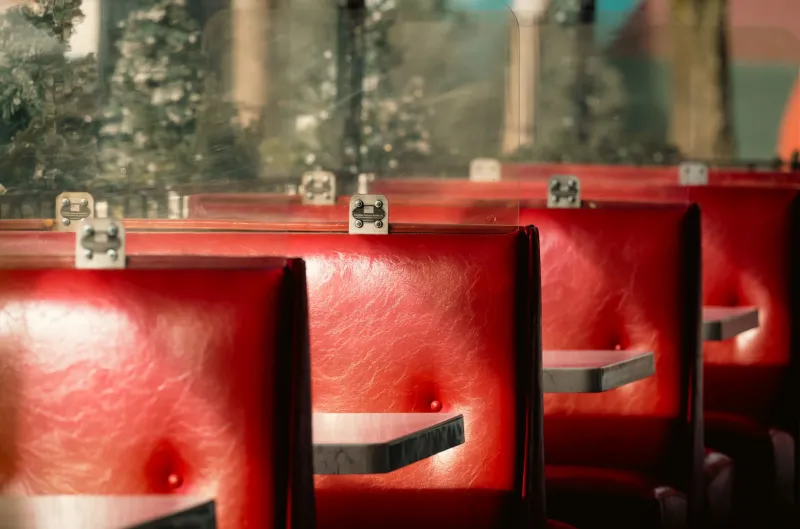
The third place isn't dead. It's just stopped looking like the one in the photo. And maybe that's fine — the diner booth was never sacred. The people in it were.