My Neighborhood Has a Group Chat for Foxes, and Honestly, It's the Best Thing We've Ever Done
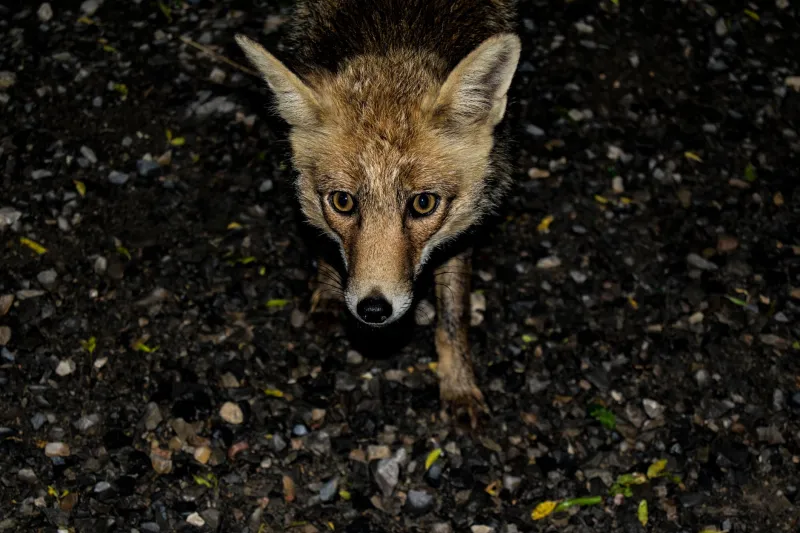
Last spring, my neighbor Diane — 61, recently widowed, not someone I'd ever exchanged more than six words with — texted me a screenshot of a fox. Not a photo of a fox. A screenshot from her trail cam, timestamped 3:47 a.m., sent to a group chat I didn't know existed until I was added to it. The message read: "HE'S BACK. Block 4. Tell Gary."
That's how I learned my subdivision has a wildlife watch. Not a neighborhood watch — nobody here cares about your package deliveries. This is a watch for the animals. And after a year of participation, I have an opinion I didn't expect to hold: this ridiculous group chat is doing more for community in my neighborhood than anything else in the twenty years I've lived here.
The Low-Stakes Science of Backyard Data
Here's how it actually works. Diane runs two trail cams. Gary down the street logs every roadkill he sees into an app that feeds mortality data to university researchers studying wildlife corridors. The Hendersons count butterflies for a national monitoring program every other Saturday from May to August. A guy named Ray — whom I have never met in person — submits hourly bird feeder sightings to Cornell's Lab of Ornithology like it's his job.
And here's the part that surprised me: the science is real. The roadkill data Gary collects gets used in actual decisions about where wildlife crossings get built. The butterfly counts feed into population trend analyses that have documented genuine, alarming declines. These aren't vibes. These are thousands of data points collected by people in bathrobes, and researchers genuinely need them because there will never be enough grant-funded scientists to stand in every cul-de-sac in America.
Why This, and Why Now?
I've been chewing on why this is happening — and why now. My theory is that critter-watching is the rare hobby that gives you a reason to talk to your neighbors without requiring you to have anything in common with them.
Think about what we've tried. Book clubs require you to read the book. Pickleball requires athleticism and, frankly, a tolerance for guys named Steve. Church works for some. But wildlife? Everybody has an opinion on the coyote situation. Nobody needs shared politics, shared faith, or shared taste to care whether the fox had kits this spring. The animals are the neutral territory we've stopped being able to build for ourselves.
There's also the loneliness math. The surgeon general put out an advisory on loneliness, for crying out loud. Meanwhile, my group chat lit up forty times last Tuesday because a possum learned to open Gary's compost bin. Was it a productive use of anyone's afternoon? No. Did forty people in a half-mile radius feel briefly connected to each other and to something alive and unbothered by the news cycle? Absolutely.
The Skeptic in Me, Answered
Look, I get the counterargument. It's easy to romanticize retirees with binoculars. Some of this is just surveillance capitalism with a nature aesthetic — apps harvesting our sightings, corporate-sponsored counts, the whole gamified experience. And yes, there are arguments. Ray and Diane haven't spoken directly since the Great Owl Misidentification Incident of last October.
But compare that to every other online community you've been in. At least here, the argument is about an owl. At least here, the stakes are a possum. At least here, the thing we're all paying attention to exists outside of ourselves, outside of our feeds, outside of the economy of outrage. The fox doesn't know about the election. The fox does not care. This is, I've decided, extremely healthy.
Join Your Local Possum Economy
So here's my pitch, and I recognize how it sounds: find your local version of this. iNaturalist, eBird, your state's natural heritage program — the on-ramps are everywhere, and they all eventually lead to real humans within walking distance of your house.
Diane and I still don't have much in common. But we have the fox. We have the fox, and the fox has us, and some mornings that feels like enough of a reason to know your neighbors' names. In an age where community keeps getting sold back to us as a subscription, a group chat about a fox — free, local, occasionally covered in fleas — feels almost radical.
He's back, by the way. Block 4, 3:47 a.m. Tell Gary.