The Bowling Alley Is Dying and So Is Everyone Who Bowls There

There's a bowling alley in Dayton, Ohio that smells like nacho cheese and 1978, and last month I watched a 74-year-old retired machinist teach a 22-year-old nursing student how to throw a hook. They'd known each other for forty minutes. By the third frame, she was calling him 'Coach.'
Nobody planned this friendship. Nobody swiped right on it. It just happened because Ray's Lanes is what sociologists call a 'third place' — not home, not work, but the somewhere-in-between where Americans used to run into each other on purpose.
And places like Ray's are going extinct.
The Math of Loneliness
Here's the uncomfortable statistic that keeps getting passed around: Americans spend something like 90% of their lives indoors, and most of that time is split between exactly two locations. Home and work. Maybe a car in between. That's it. That's the whole map.
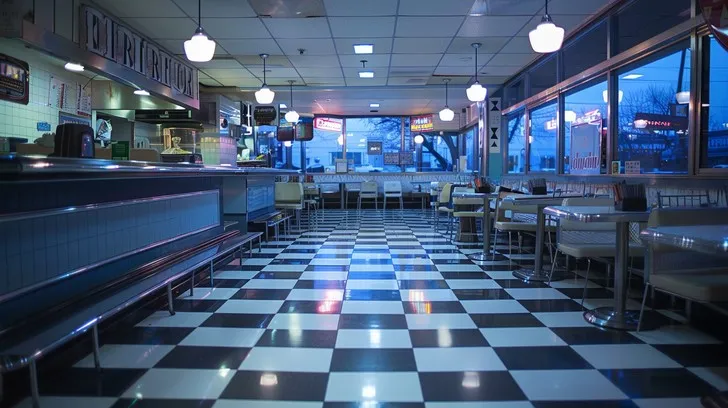
The barber shop where your grandfather shot the breeze for two hours on a Saturday? A lot of those are now subscription haircut apps. The church basement that hosted potlucks and scout meetings? Congregations are shrinking or going fully online. The corner diner with the counter where solo eaters inevitably started talking? Torn down for a drive-thru.
We didn't decide to give these places up, exactly. They just quietly closed, one lease renewal at a time, and we told ourselves it was progress. Everything got more convenient. Nothing got more communal.
What a Third Place Actually Does
The term comes from sociologist Ray Oldenburg, who argued in the 1980s that healthy communities need a neutral gathering ground — somewhere with a low cost of entry, where regulars set the tone and status doesn't matter much. The beauty shop. The VFW hall. The bleachers at a high school game.
The genius of these places is that they force low-stakes contact with people who aren't like you. Your neighbor who's a retired teacher. The guy who owns the landscaping company. The teenager working the counter. At home, you choose your company. At work, it's chosen for you by a payroll department. At a third place, it's just... whoever shows up. That friction is the point. It's where you learn that the person you'd never have anything in common with actually has a lot to say.
When those places disappear, we don't just lose the venue. We lose the accidental acquaintances. And study after study suggests those weak ties — the barista, the bowling league teammate, the guy who's always at the hardware store — do more for our sense of belonging than we realize.
The Places That Refuse to Close
Spend any time looking, and you'll find the holdouts. A bowling alley in Ohio. A barbershop in Birmingham where the conversation is the actual product and the haircut is incidental. A bowling-adjacent VFW hall in rural Minnesota that hosts euchre nights, fish fries, and, in December, a surprisingly competitive cookie contest.
The people keeping these places alive share a trait: none of them describe what they do as a business. The guy who bought the bowling alley calls himself a 'caretaker.' The barber says he's 'holding the chair open.' The woman who runs the euchre night — she just says, 'Somebody has to.'
That's not entrepreneurship. That's stewardship. And it's running on fumes, goodwill, and whatever's in the cash register after the lights are paid.
What We Owe These Places
I don't think the answer is nostalgia, and I definitely don't think it's a government program. Third places were never built — they were inhabited. Nobody legislated the corner bar into existence. People just kept showing up until showing up became a habit, and the habit became a place.
So here's the modest proposal: pick one. A coffee shop where the owner knows names. A bowling league that's terrible at bowling. A hardware store clinic. A library event that isn't for kids. Go twice. Then go a third time, because the third time is when the regulars stop seeing you as a visitor.
The bowling alley in Dayton will probably close someday. Everything closes eventually. But the nursing student and the machinist will still know each other, and one of them will probably end up holding a chair open for somebody else.
That's how the art survives. One person showing up at a time.